

FOR 2024 Questionnaire
for Jefferson County Public Schools (JCPS)
School Board Candidates in District 4
Candidates:
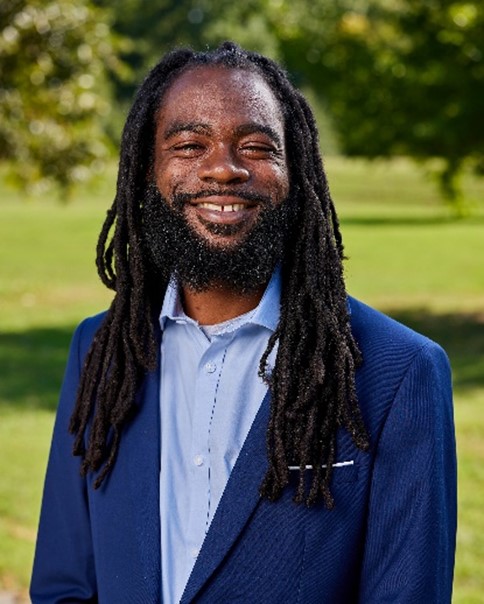
Trevin Bass School Board District #4 Candidate
Seneca HS class of 09 graduate. Went to Spalding university and completed Bachelor of Science in psychology. Over a decade of volunteer experience working in public education. Former PTA president and Vice president of Fundraising at Schaffner traditional elementary school. I have a host of family members, including two sons, who attend JCPS.
Bass works for the Louisville Metro Office of Safe and Healthy Neighborhoods and is the former legislative assistant for Louisville Metro Council’s District 3.
Website: Home | Bass For District 4 (trevinbass.wixsite.com)
Endorsed by; BSK Better Schools Kentucky
Facebook: https://www.facebook.com/profile.php?id=61560307831870&mibextid=LQQJ4d
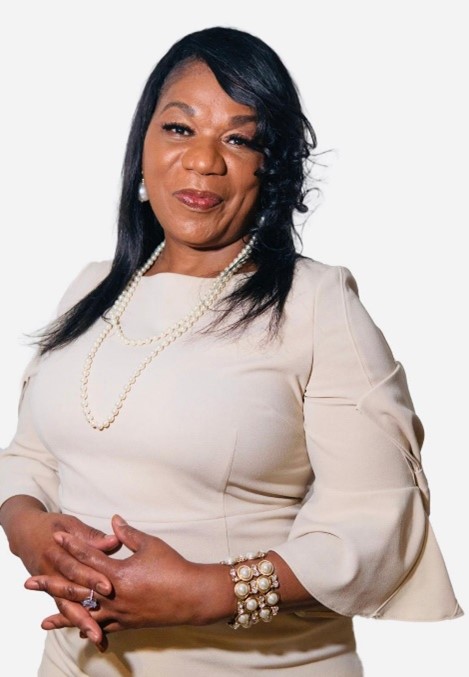
Barbara Lewis School Board District #4 Candidate
Graduated from Jefferson County Adult School GED program and continued education at Campbellsville University, graduating in 2018 with Bachelor’s of Science in Christian Studies. Currently on schedule to graduate in 2025 with master’s degree in Marriage and Family Therapyfrom Campbellsville University with a focus in youth and family trauma.
My career with JCPS begin in 2001 as a district bus driver. In 2017 to 2018 I served as an ECE substitute teacher at Iroquois high school and accepted a long-term ECE substitute teachers position at Valley High School where I currently serve as the FRYSC Family Resource Youth Service Center Coordinator.
I am the mother of four adult children who all attended JCPS schools and two who graduated from YPAS/Manual and Western High School.
For more information please email: blewis4district4@yahoo.com
******************************************************************
Issue Area 1–Equity in academic outcomes and needed funding
1. Background: Among the 96,000 JCPS students, 65% are students of color, nearly 20% are multilingual learners/immigrants, 63% qualify for Free/Reduce Lunch and 13% are
Exceptional Child Education (ECE—special needs students). JCPS consistently educates about 80% of school-age children in Jefferson County. That is a high percentage for urban areas of our size around the US and is a vote of confidence from our community in the value of JCPS’ efforts.
As with their peer urban districts around the country, average reading and math scores for JCPS students with more challenges continue to lag significantly behind more privileged students on standardized state and national achievement tests. In some groups, the combined math and reading proficiency scores have been half or less of those from more advantaged groups.
These standardized tests have their own serious flaws, but there is no doubt learning gaps exist.
The Courier Journal recently reported, though, that “Students at Jefferson County Public
Schools showed improvement in state rankings [for SY2022-2023],” with almost 70% of district schools increasing their reading and math scores.” JCPS has been and must continue looking for effective ways to help each student succeed to their potential.
Research demonstrates that early interventions help eliminate learning gaps before they are entrenched. JCPS has such programs, but they are expensive and need community, state and federal support. Along with supportive social services, free meals, and socio-emotional learning, there are now research-based initiatives across all JCPS schools, particularly around math and literacy. Smaller student/teacher ratios also allow more personalized help for underperforming students. Culturally-adapted curriculum in all subject areas engages more students. Magnet schools and the high school Academies of Louisville approach also increase engagement and passion for learning in students—both of which are critical to students’ academic growth. Providing family resource supports and nutrition also helps many students to be able to come to school emotionally and physically more ready to concentrate on learning.
JCPS’ Future State plan looks for a major overall academic improvement as well as a reduction in outcome gaps by moving to a student-centered, “deep learning” approach. It focuses on teaching –and frequent performance assessment of– skills and dispositions for project-based learning and complex problem-solving tasks in a way tailored to an individual student’s culture and learning modes.
These and other research-proven interventions and supports can help students become life-long learners, save JCPS and other government/college budget dollars long term by avoiding the need for remedial help in future years—whether that involves getting into college or self-teaching unfamiliar materials to advance beyond an initial job or trade.
Question 1: As a matter of fundamental equity, what specific programs and/or other approaches would you champion/accelerate to close the persistent inter-group achievement/learning gaps? What other resources does JCPS need for adequately serving the growing immigrant populations? How could JCPS better support struggling students with authentic remedial help, not just prepping for and re-taking high-stakes testing? How and when would you assess the effectiveness of those programs system wide and for individual students?
Response by Trevin Bass:
Programs involving community involvement are beneficial as they aid in both the success of students and their communities. Diverse programs that specialize in building, creating, and engaging students and their families provide identity, safety, and a sense of community as their education aligns with society. Specific programs I would champion to help close the learning gap are tutoring, summer programs, and assistant programs. The other resource needed to help serve our growing immigrant population is more translators.
We must teach for understanding and not just for testing. Instead of re-taking high-stakes testing, one should have to only focus on what was missed, providing more attention to what’s needed. I would advocate for cultural programs, I would also collaborate with businesses, nonprofit organizations, and PTAs. Engaging students by providing access to high-quality materials and equipment while encouraging collaboration as a whole using the student’s help to reach their full potential. We will focus on retaining the knowledge and not just for tests, but to apply it to daily life. We will create a realist approach allowing the students to identify how their learning correlates with the real world, adjusting as needed.
I believe that every student, regardless of background or circumstances, deserves the opportunity to succeed and that the persistent inter-group achievement and learning gaps are unacceptable. I will work to implement multi-faceted approach’s by advocating for:
- the acceleration of Culturally Responsive Teaching (CRT) and for expanding access to early childhood education across all schools particularly for students in underserved communities.
- the critical need to expand our ESL programs within our district.
- expanding personalized learning plans that identify each student’s strengths and weakness early on.
- focusing on mastery-based learning rather than time base progress.
- for the use of formative assessments throughout the school year to provide real-time feedback on student progress.
- for more robust social-emotional support is key because many students who struggle academically are also facing emotional or mental health challenges.
To ensure effective student programing for both academic outcomes and overall student wellbeing I will work to implement a student assessment process that would focuses on a
- Beginning of the school year, Comprehensive Diagnostic Assessment
- During the school year an Ongoing Formative Assessment
- End of school year a Comprehensive Summative Assessment to measure overall student growth
******************************************************************
2. Background: Inter-group gap reduction is not simply a matter of increasing the learning growth rates of students in a disadvantaged demographic group. Gap reduction requires that underserved groups of students improve faster than more privileged demographic groups.
If we want all groups’ performance to keep rising, we cannot “rob Peter to pay Paul” and succeed as a district. Reductions (on an inflation-adjusted basis) in Federal and KY SEEK funding have worsened JCPS’ funding situation significantly. Loss of focused COVID-era school funding will further reduce inflation-adjusted income sources.
Local occupational and property tax revenues are already the largest source of General Fund revenues. Several years ago, the JCPS board unanimously passed a historic 7 cent/$100 property value increase in property tax rates. Since then, though, the board has just taken the nonrecallable 4% annual revenue increase. The rate actually dropped.
The current Board expressed its intent that the District will, going forward, budget and spend revenues from that earlier tax rate increase for:
- 21st century facilities that engage students and faculty;
- additional focused resources in our highest-need schools;
- racial equity initiatives; and
- additional student instructional time, including after-school tutoring and summer programs.
The board has also approved using a school-by-school funding allocation approach used elsewhere in large urban districts with success. It builds up school budgets by giving slightly higher amounts for each student based on four key student body demographics: free and reduced lunch status (FRL), special needs (ECE), English language learners (ML—multi-lingual learners) and mobility/homelessness. This is another step toward more equitable allocations, particularly for high-poverty schools. It cannot, however, make up for continuing underfunding by the state and US governments.
Question 2: Do you support continuing the current board’s policy around allocating money to each school? How should schools allocate it between teacher salaries, programs, and facilities? Are the current demographics-based multipliers appropriate and effective? If you do not support these per pupil multipliers, how would you pay for the additional budgets for providing research-based gap reduction initiatives that you recommend?
How would you assess if and when the district needs an increase in the tax rate above the allowable, nonrecallable 4% increase in order to meet student needs and equity?
Response by Trevin Bass:
Response by Barbara Lewis:
Yes, I support the current board’s policy of allocating money to each school, as it ensures that every school in the district receives the necessary resources. I also recognize the need for a more thoughtful and effective allocation process to ensure fairness and maximize the impact of our investments and would support and advocate for:
- balance between teacher salaries academic programs, and facilities.
- regularly assess how we are allocating funds
- make data-driven decisions to ensure that resources are being used effectively. …continue assessment of demographics-based multiplier process for continued improved of process
- the consideration of more nuanced factors beyond student demographics.
JCPS policy provides a good framework, I believe that any decision to increase the tax rate above the allowable, non-recallable 4% must be approached with careful consideration, transparency, and a focus on meeting the needs of our students while promoting equity. Some key focus areas that should be considered are:
- Current Resources Adequacy
- Student Needs and Equity
- Long-term Financial Sustainability
- Community Engagement and Input
******************************************************************
- Background: Teachers are at the front lines of educating Jefferson County’s future workers and leaders. While JCTA teachers will receive a total 5% raise over the next two years-along with additional incentive bonuses for those excited to work in our highest poverty schools– teachers’ pay-scale increases have not matched inflation. At the same time, nationally and locally there is a teacher shortage. JCPS has had trouble filling new positions and retaining teachers, particularly those in Exceptional Childhood Education (special needs/disabilities), English as a Second Language/multi-lingual learners, and, more generally, in high-poverty schools.
.
Research confirms that students of color are much more likely to go to college if they have had a teacher who looks like them. Currently, less than 20% of JCPS teachers are people of color. The student body is 65% people of color.
Question 3: What will you do as a school board member to ensure that:1) teacher/pupil ratios are adequate to ensure that every student receives the individual attention they need from teachers; and (2) teacher pay scales and working conditions allow us to attract and retain the best possible, diverse classroom teaching team? What can be done to quickly develop and add more staff who look like our student body demographics?
Response by Trevin Bass:
As a school board member, I will be an advocate for higher pay and training opportunities. It is important that we market to those teachers that look like the students. We must identify what is considered good benefits and compete with other careers and trades. The goal would be to have people want to cross over their careers from one to another.
Response by Barbara Lewis:
I will advocate prioritizing reducing teacher/pupil ratios to ensure that every student receives the attention they need to succeed. This means advocating for:
- targeted funding to hire more teachers and support staff in schools with the highest needs.
- smaller classroom sizes to improve student outcomes while also alleviating unnecessary burdens placed on teachers, allowing them to focus on individualized instructions.
- attracting more diverse and highly qualified teaching and support staff. I will push for competitive pay scales that reflect the importance of profession by improving working conditions such as more planning time, access to JCPS FRYSC for resources and stronger mental health support. Our educators and support staff must feel valued and supported to remain in our district long term.
The increase of staff diversity is crucial. As District 4 School Board Member, I will advocate for partnerships with local universities and historically Black Colleges and Universities (HBCUs) to create pipeline programs that bring more diverse candidates into our classrooms:
- I will support, mentorship for more effective professional development opportunities for minority teachers to ensure their success.
- I will work for advancement in the district by creating a workforce that reflects our student body and fosters a more inclusive, supportive learning environment.
******************************************************************
- Background: Constitutional Amendment #2 is on the same ballot this November as your JCPS board race. It would allow the use of state revenues to pay for private schooling.
The legislature’s proposed amendment does not specify how and to what private programs the money would flow, but it could involve partial or full-tuition vouchers, tuition tax credits, private charter schools, parochial school and home-schooling tuition, etc. Some of these programs were passed by the legislature in recent years, but were found unconstitutional under Kentucky’s constitution.
According to the Office of the KY State Budget Director, since fiscal year 2008, General Fund revenues have increases by 63.3%. Unfortunately, SEEK (education) appropriations only increased 26%, far short of inflation. That is in large part why districts across the state, including JCPS, struggle or fall short to pay competitive salaries. With that track record, it seems unlikely that the legislature would both raise public K-12 funding to competitive levels with neighboring states and either raise taxes or take appropriations away from other programs such at healthcare, public safety or infrastructure to pay for tuition vouchers.
The annual lost revenue for JCPS was estimated by the KY Center on Economic Policy to be between $20-120MM per year, depending on the level of voucher funding. They also estimate that there would be layoffs of hundreds of teachers and other staff. These estimates cover only payments to current private school and home-schooled students, without counting any JCPS students that might leave JCPS.
The amendment provides no financial or academic accountability requirements for private schools, no controls on discrimination, no program caps on income limits for private school enrollments or related voucher expenditures.
Question 4: Do you support the Constitutional Amendment #2 on the ballot this
November that would allow public funds to go to private schools, including parochial and charter schools? Yes or No?
Do you see a role for charter schools that is not currently met by various JCPS’ special schools, its high school Academies of Louisville or magnet schools in the district? How would you measure charter success or failure compared to current JCPS programs? Under what, if any, conditions would a charter school be acceptable to you?
No. I do not support the Constitutional amendment #2.
Charter Schools success or failures should be measured the same as JCPS is measured, allowing fairness and eliminate any discrepancies that may occur. Charter schools would only be acceptable if the student needs an alternative style of learning that wasn’t successful within the public school system. Charter schools would also be ok once JCPS schools has surpassed our educational goals.
Response by Barbara Lewis:
No, I do not support Amendment 2 which allows public funds to be used within the charter and private school sectors and yes, there are roles that are not currently being effectively addressed by various JCPS schools. Such as social-emotional and mental health growth, by accessing factors beyond academics, like student well-being, I believe that we can design and implement effective programs that will foster growth in those areas and others for all JCPS students. We should continue to:
- Research models of both charter and other public-school districts within our region in how to more effectively served our diverse populations, such as students with disabilities, English language learning and economically disadvantaged students.
- Community and family engagement,
- Teachers’ retention, and transparency in reporting should be critical indicators in measuring both public and charter schools’ success
******************************************************************
Issue Area 2–Experiencing and benefiting from diversity
5. Background: U.S. Census projections indicate that today’s JCPS graduates will live and work for most of their careers in an America where the majority of the population is nonwhite. Diversity in the workplace—around race and ethnicity, but also gender identity, national origin and other demographics– will be a given. JCPS’ student mix is already “majority minority” (or, “Global Majority”). This diversity can actually be an advantage for all JCPS students in that it prepares them for a successful and fulfilling life in a more diverse society and work environment.
Diversity requires integrated classrooms, though, not just diversity at the school level. Magnet, traditional and Academy of Louisville programs were instituted to provide opportunities to attract and engage students by blending career/interests and academic areas. However, they also were intended, in part, to help voluntarily increase diversity in the school system. The Magnet Schools of America organization in particular urges intentionally diverse student populations in magnet classrooms, because its data show that a diverse mix of students, exposed to other students’ different ways of learning and looking at problems, helps all students be more effective and creative problem solvers.
The school board and the past and current superintendents have created a Department of Diversity, Equity, and Poverty (DEP). Its goal is support for educational excellence regardless of ethnicity, race, color, national origin, age, different abilities, religion, marital or parental status, political affiliations or beliefs, sex, sexual orientation, gender identity, or gender expression. Equitable academic programs and services that respond to the needs of a diverse student population, help students see themselves and their history, and prepare all students for a changing workplace within a global economy are essential.
However, the Kentucky legislature has in the recent past tried to label fuller exposure to all sides of the history of different races and ethnicities in the US as part of critical race theory (CRT). CRT is not taught in JCPS. DEP has implemented teacher training and electives around history and awareness. The legislature considered several bills in the 2024 session to restrict diversity, equity, and inclusion programs, primarily at the post-secondary level, but did not pass any. They will doubtless be reintroduced in 2025 and may challenge funding and programs around DEI at all educational levels, including K-12.
Question 5: Do you support the purpose and programs of the Diversity, Equity and Poverty department and programs in JCPS? What do think needs to be done to provide more equitable, not just equal, opportunity for students from underserved communities? How can we both increase every student’s pride of self and their appreciation of other’s differences?
Response by Trevin Bass:
Yes, I support the DEP program and department in JCPS. To provide more equitable opportunities for students from underserved communities, we would want to create programs geared towards the homes of the students ranging from assistant programs to trade and post-secondary education opportunities focusing on financial and mental stability for caretakers and those in the household. To increase every student’s pride of self and appreciation of others and their differences, we would highlight and encourage cultures learning through classroom and public activities educating the many different walks of life but similarities we all share more particular.
Response by Barbara Lewis:
Yes, I wholeheartedly support the Diversity, Equity, and Poverty Department and its programs within JCPS. It is essential that we move beyond merely providing equal opportunities to creating equitable pathways that address the unique challenges faced by students from underserved communities.
I would advocate for targeted programs that provide academic assistance, mentorship, and access to extracurricular activities. This includes expanding tutoring services, offering leadership development programs, and enhancing mental health resources tailored to the specific needs of our students. By investing in these initiatives, we can empower all students to embrace their identities while emphasizing commitment to equity and holistic development of students through the showcasing of actionable strategies.
******************************************************************
6. Background: The board and superintendent ended decades of the busing of West End students to east and south end school for diversity. The district recently created the School Choice program, which provides enhanced opportunity and resources at “dual resides” schools in and close to the West End. It has improved academic opportunities, but decreased districtwide racial and socioeconomic diversity in classrooms.
National and JCPS research data show that learning and test scores for low-income students increasingly suffer when a school’s low-income (identified by free/reduced lunch—FRL– eligibility) student population exceeds about 40% of the school’s total demographic. Our entire district student population is about two thirds FRL. As of 2023, more than 70% of our JCPS schools are over 90% FRL.
Question 6: How important is classroom diversity for our students? How would you approach either reducing very high-poverty schools or adequately resourcing them for success of all of their students? What must happen to be truly student-centered on all the needs, barriers and gifts of these students?
Response by Trevin Bass:
It is important that our students experience diversity. It provides understanding and creates compassion for those that seem to be different, It fosters a sense of cultural sensitivity and awareness. Growing up in a diverse environment creates a community that will work together in the future with less biases and prejudices as they are exposed to the many different types of peoples and cultures. This will lead to a more inclusive and empathetic perspective as future leaders and adults.
To reduce the high poverty schools, I would offer school supplies, food, necessities that those attending more than likely lack in having. I would like to review budgets and modify the needs accordingly addressing barriers through programs that assist what many students face in that community. What must happen is that all schools must agree that if one is without then they are all without (sharing resources). The schools collectively should be able to review their budget and help accordingly. As a board member I would also be open to do fundraisers, write grants and speak to legislation in Frankfort for funding assistance to combat the barriers faced.
Response by Barbara Lewis:
While JCPS School Choice programs provided opportunities and resources for “dual reside” school choice we must still recognize that opportunities for academic success does not equate to an improved academic achievement gap for minority FRL students and that they continue to suffer with failing test scores. It is crucial to address FRL student racial and its impact on students as a critical need and make improving the minority student achievement gap for minority students a priority. I will work to advocate for:
- student-centered approach which helps to clearly identify specific barriers of each student, such as food insecurity, housing instability, and access to health care
- work closely with community organizers to provide wrap around services
- recognize and celebrate the strengths and gifts of these students by implementing culturally relevant curricula and fostering an inclusive school environment that embraces those unique backgrounds.
******************************************************************
Issue Area 3–Pro-active behavioral assessment, mental health professionals, and effective student-teacher relationships for a classroom/school climate for learning
- Background: There are a variety of programs (e.g., PBIS, Restorative Practices, Compassionate Schools, Trauma Informed Care, etc.) and mental health professionals at JCPS schools where—ideally– teams of teachers and counselors assess students and implement plans to avoid situations that give rise to behavioral problems for individual students. Teachers are continually being trained to teach and model specific positive behaviors, to understand different cultures, to de-escalate, and to ask not “what is wrong with this child?” but “What has happened to this child?”. Some of this support and healing work must include families, not just students.
Much has happened to our students–the isolation of COVID, increased violence in our community, and the generational stress and trauma of families living in poverty. Absenteeism is soaring at JCPS and elsewhere across the country and is emblematic of the impact of these stresses on student sense of belonging and inclusion and corresponding behaviors. There have been significant efforts at increasing the numbers of social workers and mental health professionals in JCPS schools. Because of their limited numbers, though, they may often be called on to respond only after problems occur.
Question 7: How can the schools provide professional, collaborative behavioral assessments of students at every school to help students, parents, and teachers (and, yes, bus drivers) engage positively, before students are stigmatized by disciplinary consequences? What programs or staffing would you champion that would proactively identify students’ needs and provide support? What models are needed to build appropriate self-control behaviors and sense of accountability by students, teachers, and parents? How do we engage with and support parents around their students’ challenges inside and outside of school, as well as their learning and school choices? How can student voice help direct this work?
Response by Trevin Bass:
We want to create a safe, supportive, and fair environment when addressing consequences for students. We can achieve this by Collaborating with universities and professional services that specialize in studies assisting with understanding behavior. Parent and community involvement, early intervention programs, IEPs, and social-emotional learning programs are programs I would champion that would be proactive in identifying students’ needs and providing support. We will engage with the supportive community through multiple platforms hosting community town halls and family events. The models needed to build appropriate self-control behavior and a sense of accountability would be rewarding good behavior and addressing behavior that requires modifications. Teachers, students, and parents collectively create rules and regulations to follow including the students to feel empowered and in control of their behavior and consequences. To engage and support parents dealing with students who face challenges inside and outside of school we will want to collaborate with non-profit organizations and churches that offer services that address challenges that affect both inside and outside of school. Bringing awareness of the program hosting and advertising information through social media, canvassing, and newsletters. The student’s experience is important and their voices should be considered when creating anything that pertains to them
Response by Barbara Lewis:
- Beginning with training staff, including bus drivers, to recognize and address student needs proactively, focusing on positive engagement before disciplinary actions are necessary.
- I would champion programs that provide early intervention, such as mentorship and the initiatives and behavior support system, which include counselors and social workers who can assess and address the root cause of behavior issues. I will also work together with my fellow board members to implement restorative justice practices to help students develop self-control and accountability.
- In support of parents, we need robust communication channels that offer resources and training on managing challenges both inside and outside the classroom. Workshops, regular updates, and community engagement events can bolster stronger partnerships between schools and families.
- Establishing student counsels or feedback forms allow students to share their experiences and suggest improvements, ensuring that our approaches are relevant and effective. By listening to our students, we can create a more supportive and inclusive educational environment for everyone.
******************************************************************
- Background: JCPS’ first (2013) and subsequent “Equity Scorecard” reports have quantified the racial inequities in disciplinary outcomes, particularly in racially-disproportionate arrests and use of out-of-school suspensions. National research data show that out-of-school suspension is a key predictor of future low achievement, dropping out, delinquency, and incarceration. Just one suspension doubles the chance of dropping out. These inequities do not occur uniformly in every school across JCPS.
National research also shows that out-of-school suspensions are ineffective at changing student behaviors. Suspended students are more likely to repeat behaviors– and consequences– again. Suspensions accelerate declines in academic performance both because of the lost learning time and the disengagement from loss of a sense of belonging.
Suspensions are also expensive for JCPS—e.g., a loss of attendance-based funding and the cost of providing “alternative schools”. While all that research is clear, some JCPS teachers (as indicated by national TELL surveys) feel they do not have all the skills and resources necessary to maintain their classrooms without using out-of-school suspension for “crises”.
Multiple or serious suspensions can lead to assignment to one of JCPS’ alternative schools. At one alternative school, the 2023-24 student population was almost 78% African American and 33% special needs students.
Question 8: How can we simultaneously create a sense of belonging in safe and welcoming schools to reduce unwanted behaviors and radically decrease use of out-of-school suspensions? How can we decrease the disproportionalities of alternative school placements and, more generally, find ways to keep more students–in all demographic groups–in regular schools where they can develop their social skills and maintain their progress in learning? How would you pay for the programs, training, etc.?
Response by Trevin Bass:
We must create an environment that is welcoming and educational, we have to be more inclusive and compassionate with all situations that occurs. When a student seems to express unwanted behavior, we must identify how to assess, rather than how to discipline. Programs and training would be paid for through budgeting and fundraising for the particular goals and programs.
Response by Barbara Lewis:
JCPS “Equity Scorecard” reveals the racially disproportionate arrest and use of out-of-school suspensions and the impact this has on the failing test scores of minority students. Addressing this issue will take an intentional and collaborative effort of all stake holders. As JCPS District 4 School Board Member I will work together with my fellow board members to ensure:
- Instead of relying on punitive measures, we should focus on conflict resolutions, mediation, and peer support programs to address issues before they escalate.
- To decrease the disproportionalities in alternative school placements, we must ensure that interventions are culturally responsive and equitable. This includes providing targeted support for students from marginalized backgrounds, such as mental health services, mentorship, and academic assistance. Expanding in-school behavior support programs, like positive behavior interventions and supports (PBIS), where students can develop both academically and socially.
- Funding for these initiatives can be sourced by reallocating resources from costly disciplinary practices, such as out of school suspensions and alternative placements. Additionally, we should advocate for federal and state grants, as well as community partnerships, to support training for teachers and staff in restorative practices and social-emotional learning.
******************************************************************
9. Background: Armed, sworn officers in schools have been shown to actually increase arrests and suspensions and decrease student sense of belonging, particularly for students of color. Nationwide, they have not been found to effectively stop mass shootings in schools.
The 2022 Kentucky legislature passed legislation (HB63) that requires one armed police officer (SRO) fulltime onsite per school. The original compliance deadline was August 2022, but more than half of all KY schools—including JCPS—could not comply, either because of costs or inability to find qualified candidates. JCPS proposed a school police force and a “circuit rider” approach, where each officer drove around to several assigned schools, but generally would not go inside the building unless specifically called in by the principal. JCPS has continued building an in-house police department along this model.
Question 9: Do you support further expansion of armed/sworn officers in JCPS schools?
How do you think the JCPS board should respond to the state legislation allowing armed “guardians” (SB2, in 2024 regular session) to be hired by districts to serve inside schools? How should student voice help direct this work?
Protection is key. Yes, I support the idea of trained sworn officers in JCPS schools. I feel in the times we are in that allowing armed officers would be ideal. The structure in which this should look like must be carefully discussed and heard with the students and staff in which the protection is for. Those involved in the schools shouldn’t be actively involved in the field. These officers should only be used for school purposes and be trained to handle such appropriately and safely.
Response by Barbara Lewis:
I fully support creating a safe, welcoming environment in public schools, but I believe we need a more effective, comprehensive plan before implementing licensed and trained armed staff. The safety of students and staff is paramount, but introducing more armed personnel must be approached with conscience to avoid unintended consequences:
- Regarding state legislation, SB-2 allowing districts to hire armed guardians, I believe JCPS should carefully evaluate this option. We need to consider the potential impact on school climate, equity, and the relationship between. Students and staff. Before hiring armed guardians, we must assess alternative measures such as improving social, emotional support and nonlethal interventions. Could be more effective and less disruptive.
- Student voice should play a crucial role in shaping safety plans. We must listen to students’ perspectives on what makes them feel safe and how armed staff would affect their school experience. Involving students ensures that any safety measures are aligned with their needs and concerns.
******************************************************************
Issue Area 4 –Student privacy and the marketing of the military in JCPS
10. Background: Military leaders in the Pentagon enthusiastically confirm that JROTC is a valued recruiting tool for the Armed Services. Because of the Pentagon’s financial resources, its marketing access and impact on students is far beyond that of colleges and trades programs. The Pentagon has announced a goal of doubling the number of JROTC units countrywide by 2030. The Kentucky legislature just funded a state office—with additional Pentagon funding– for coordination of JROTC programs and resources across Kentucky.
JCPS data (2013) have confirmed that marketing impact—its graduating cadets enlisted in the Armed Services at 15 times the rate of non-cadet seniors. There is targeting of that impact, as well. JCPS data also showed a disproportionate number of low-income and/or minority students enrolled into JROTC.
JROTC and cadet programs had claimed that they increase average cadet test scores and reduce disciplinary issues. However, analysis of JCPS data (Gainous report–2013) found no significant impact on average achievement outcomes, despite the fact that cadets who underachieve academically can be dropped from, or encouraged strongly to leave, the program.
JROTC classes generally replace a student’s available time for “Related Arts” classes—arts, music, foreign languages, etc. Research has demonstrated these creative “related arts” help students achieve academically.
In many of the JROTC programs, there have been onsite shooting ranges for training at the high schools.
JROTC texts and curricula cannot be reviewed and selected by the district. No JCPS Racial Equity Analysis Protocol (REAP) is done on the curricula provided by the Pentagon. Nationally, they have been shown to present US history from a very skewed vantage point.
Question 10: What would you do as a board member to make sure that JCPS students and parents have objective, balanced information to make evidence-based decisions about the presence of and participation in JROTC/cadet programs in JCPS? How would you evaluate the value of JROTC units in place of Related Arts offerings such as foreign languages, arts and music programs? Would you require local curriculum review or cessation of onsite shooting ranges? Would you support shutting down JROTC programs that do not meet the military contract’s minimum JROTC enrollment levels?
Response by Trevin Bass:
To ensure JCPS students and families are provided with balanced information about JROTC, I would host informational events as well as provide literature through newsletters and other platforms to be as transparent as possible, leaving little to no confusion. I would value JROTC as necessary practice and discipline as I see programs such as music and art programs as important. JROTC programs that do not meet the military contract minimum before being shut down should be reviewed as a potential mentor program before shutting down entirely. If the program is showing positive impact, it should be able to transfer from one program to another. Yes I would recommend curriculum reviews and cessation for onsite shooting ranges.
Response by Barbara Lewis:
I fully support JROTC Cadet programs in Jefferson County Public Schools as they offer valuable opportunities for leadership development, discipline, and civic responsibilities. However, I believe it is essential that students and parents have objective, boundless information to make informed decisions about participation in JROTC. As a board member, I would ensure transparency by providing clear evidence-based materials about JROTC benefits and expectations, alongside other program offerings like foreign language, arts and Music.
To evaluate the value of JROTC, I will compare student outcomes in terms of academic performance, leadership skills, and postgraduation success with those of students and related programs. Both JROTC and Relate Arts programs are important, and JCPS should offer a balanced curriculum that provides students with diverse pathways to success.
Regarding curriculum review, I would support local oversight to ensure JROTC programs aligned with JCPS educational standards and values. While I believe in the discipline that JROTC provides, I do not support the presence of on-site shooting range joints in schools, as this can create an environment counterproductive to a safe learning space.
Lastly, if JROTC units do not meet minimum enrollment requirements per military contracts, I would advocate for a review followed by appropriately implement strategies that ensures the resources are utilized effectively and fairly.
******************************************************************
 Fellowship of Reconciliation | Louisville Chapter